

Fewer Vehicles, Higher Standards
There is a prevailing assumption in ground transportation that bigger is better — that a company with forty vehicles and a hundred drivers must necessarily offer superior service to one with a handful of each. It is the same logic that suggests a hotel chain with eight hundred properties understands hospitality better than a twelve-room inn on the Amalfi Coast. The assumption, of course, is wrong.
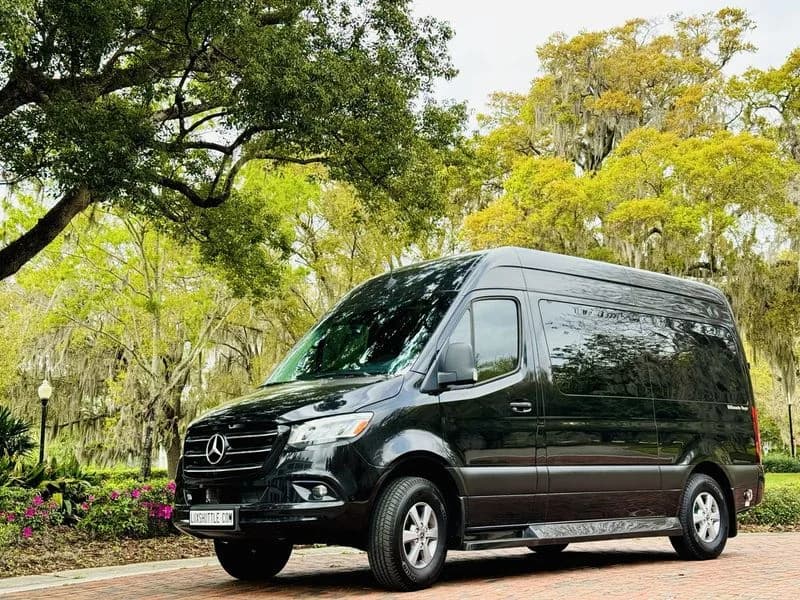
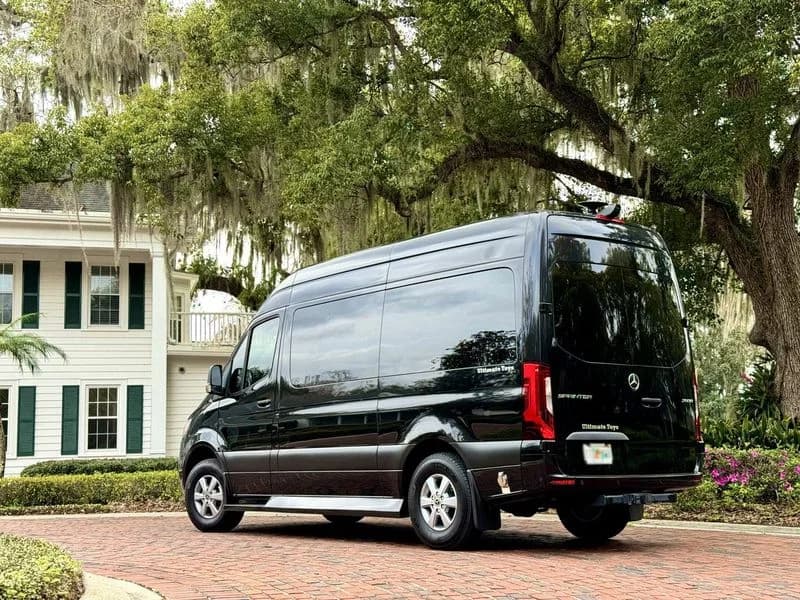
A boutique fleet operates on a fundamentally different set of principles. Every vehicle is known intimately — its maintenance history, its cabin condition, the particular way its Mercedes-engineered suspension handles the uneven pavement on Peachtree Street. Every chauffeur is not a number in a dispatch system but a professional whose standards, temperament, and local knowledge have been vetted through experience rather than a checkbox orientation.
The Economics of Attention
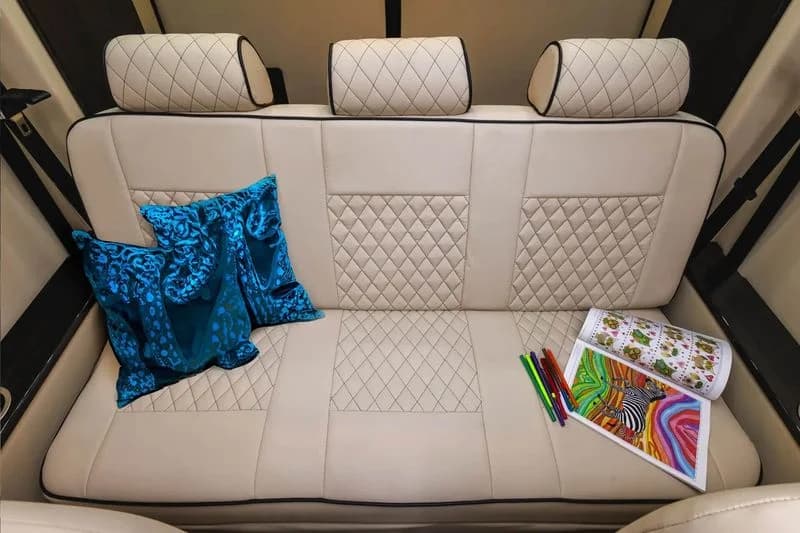
When a company operates three vehicles instead of thirty, the math of attention changes dramatically. Each vehicle receives the kind of care that a collector lavishes on a single automobile — detailed between every booking, inspected before every departure, maintained on a schedule that prioritizes perfection over profit margin. The leather is conditioned. The cabin air filters are fresh. The water is cold.
This is not a marketing proposition. It is a mathematical inevitability. A company that spreads its attention across a fleet of dozens will, by definition, accept a lower threshold for any individual vehicle. A boutique operation cannot afford to — and more importantly, does not want to.
One Chauffeur, One Relationship
The dispatch model that governs most car services is designed for efficiency: the nearest available driver gets the next call. It is rational. It is also impersonal. You will never build a relationship with a chauffeur assigned by algorithm, because the algorithm does not value relationships. It values proximity.
A boutique chauffeur service inverts this model. Your chauffeur knows your name before the first booking. By the third, they know your preferences — the temperature you like, the route you prefer, whether you are the sort of person who appreciates silence after a long flight or welcomes a recommendation for dinner. This continuity is not a feature. It is the entire philosophy.
What a Small Fleet Can Promise
There are commitments a boutique operation can make that a larger company structurally cannot:
- The same chauffeur for every booking, building familiarity and trust over time
- Vehicle condition that meets a single, uncompromising standard rather than an average across a fleet
- Direct communication with the person who will actually be driving — not a call center, not a dispatcher, but the individual whose reputation rides on your experience
- Flexibility that comes from a small operation: last-minute itinerary changes, special requests, the kind of accommodation that requires a human being to say yes rather than a policy to forbid it
When Boutique Meets Demand
The question inevitably arises: what happens when a small fleet faces high demand? The answer is disciplined booking management. A boutique service that overcommits becomes, by definition, no longer boutique. LuxShuttle's approach is to maintain availability through careful scheduling rather than adding vehicles that dilute the standard. If a date is fully committed, the honest answer is a waitlist — not an undertrained driver in a hastily cleaned vehicle.
This discipline is, paradoxically, what builds the kind of demand that fills the calendar. Clients who experience genuine boutique service do not comparison-shop. They book again, and they refer others who share their standards.
Frequently Asked Questions
Does a boutique fleet mean limited availability?
It means curated availability. Peak dates — major Atlanta events, holiday weekends, wedding season Saturdays — do book early. Most clients find that planning two to three weeks ahead secures their preferred date and vehicle. The tradeoff is a service that never feels stretched or impersonal.
How does a boutique service handle multi-vehicle events?
For weddings and larger gatherings, LuxShuttle coordinates its fleet with trusted partner vehicles that meet the same maintenance and service standards. The experience remains seamless because the standards remain non-negotiable, regardless of fleet size on any given evening.
Is a boutique service more expensive than a larger company?
The pricing is comparable to premium tiers at larger companies, with the difference reflected in consistency rather than cost. What you gain is the certainty that every booking will meet the same standard — not the variable experience that comes with a rotating cast of drivers and vehicles in varying states of care.
Scale has its virtues. But in ground transportation, as in hospitality, the most memorable experiences tend to come from operations small enough to care about every detail and disciplined enough to never let that care slip.