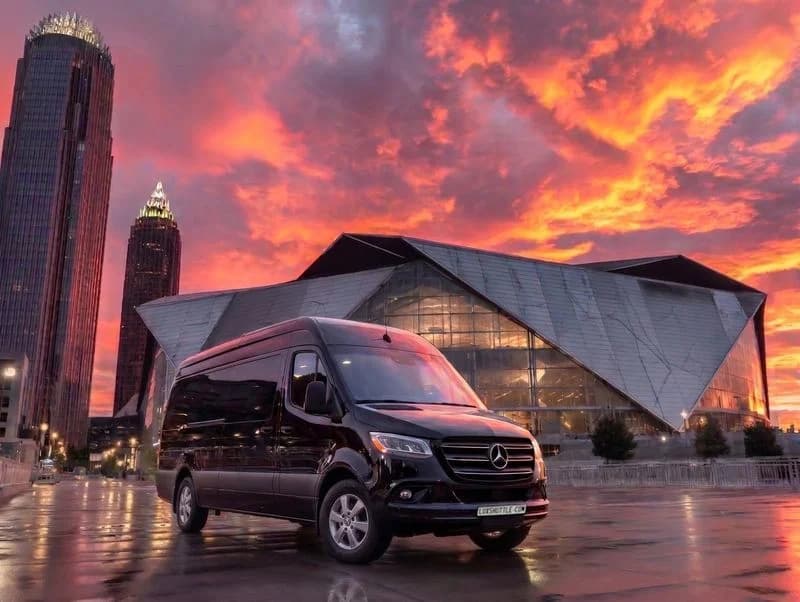

The Invisible Work Behind an Effortless Evening
Every memorable event has a moment guests never see: the host, weeks earlier, working through a spreadsheet of logistics that would make an air traffic controller uneasy. Seating charts, catering timelines, venue walk-throughs — and somewhere near the bottom of that list, transportation. It is the detail most likely to be underestimated and most visible when it goes wrong.
A guest arriving fifteen minutes late because their rideshare circled the block. A grandmother waiting curbside in the heat. A VIP table half-empty at cocktail hour because three cars are stuck on Peachtree. Transportation failures do not ruin events outright, but they erode the effortlessness a good host works so hard to create.
The Checklist That Changes Everything
Start with headcount, not vehicles
Before choosing a vehicle, understand who needs to move and when. Elderly relatives may need earlier pickups. Out-of-town guests at different hotels require route planning. The wedding party has a different timeline than the reception guests. Group your travelers by schedule, not just by number.
Build a transportation timeline
Your event timeline should have a transportation layer underneath it. If cocktails begin at six, guests need to arrive by 5:45, which means hotel pickups at 5:15 — earlier if you are crossing Buckhead during rush hour. Work backward from every moment that matters, and add a buffer that accounts for Atlanta traffic rather than ignoring it.
Brief your chauffeur the way you brief your caterer
A good chauffeur is more than a chauffeur — but only if they have context. Share the venue's service entrance location, the guest-of-honor's name, any mobility considerations, and the evening's rhythm. The best event transportation feels invisible because someone took ten minutes to make it informed.
Where Hosts Go Wrong
- Relying on rideshares for guests who do not have the app or are unfamiliar with the city
- Booking transportation last, after venue and catering — when preferred vehicles may already be committed
- Forgetting the return trip entirely: guests need a plan home, especially after evening events
- Underestimating luggage and materials — gifts, displays, wardrobe bags all need space
The difference between good events and great ones often lives in these margins. A well-planned transportation strategy does not just move people — it sets the tone before the first toast.
Frequently Asked Questions
How far in advance should event transportation be booked?
As soon as the date is confirmed — particularly during Atlanta's peak seasons for weddings (April through October) and conventions. Popular dates can see vehicle availability tighten weeks in advance, and last-minute bookings rarely offer the same level of coordination.
Can one provider handle pickups from multiple hotels?
Yes, and it is far preferable to guests arranging their own rides. A single provider can design routes that collect guests from Buckhead, Midtown, and Downtown properties in a logical sequence, ensuring everyone arrives within the same window. Corporate groups use this approach routinely.
What if the event runs longer than planned?
Hourly service accommodates exactly this scenario. Your chauffeur remains available for the duration, adjusting to the evening's natural pace rather than holding you to a rigid departure time. It is the kind of flexibility that makes the difference between managed logistics and genuine hospitality.
The best events feel as though they simply happened. The best hosts know better. Start the conversation about your next one.