
The Rideshare Illusion
It starts with a reasonable assumption: rideshares are cheap, Sprinters are expensive. For a solo traveler heading to the airport on a Tuesday afternoon, that assumption holds. But the moment you add passengers — a dinner group, a wedding party, a corporate team — the math inverts in ways most people never bother to calculate.
Here is how it actually works.
The Numbers, Laid Bare
Take a group of eight heading from a Buckhead hotel to a concert at State Farm Arena on a Saturday night. Each rideshare holds three or four passengers, so you need two or three cars. Base fare downtown runs roughly $18 to $25 per ride. But this is a Saturday night during an event — surge pricing is in effect. Those $20 rides become $35 to $50 each. Three cars at $45 is $135 for the trip downtown.
After the show, you do it again. The surge is worse now — twenty thousand people all requesting rides simultaneously. The same three cars cost $50 to $70 each. Your return trip runs $150 to $210. The evening's transportation total: approximately $285 to $345, spread across three unreliable vehicles with no guarantee of simultaneous arrival or departure.
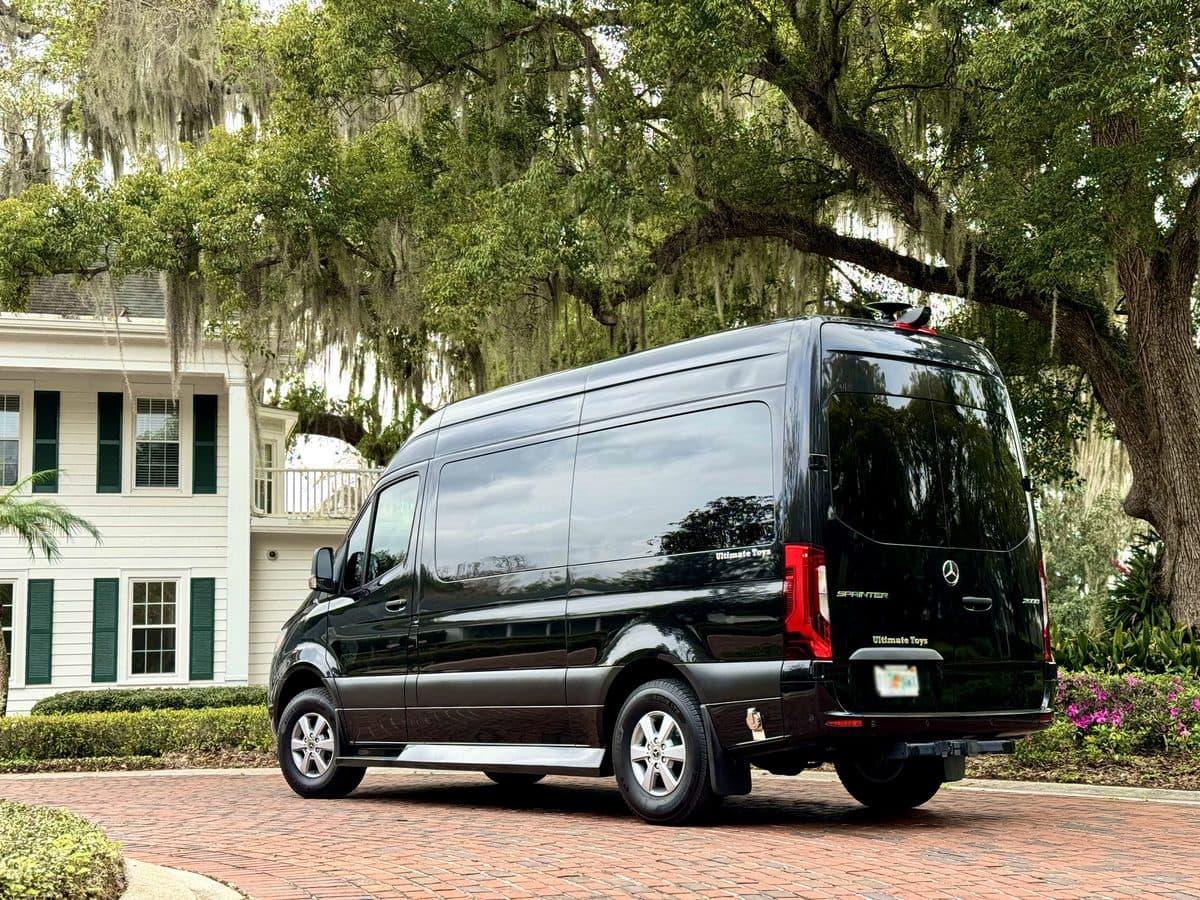
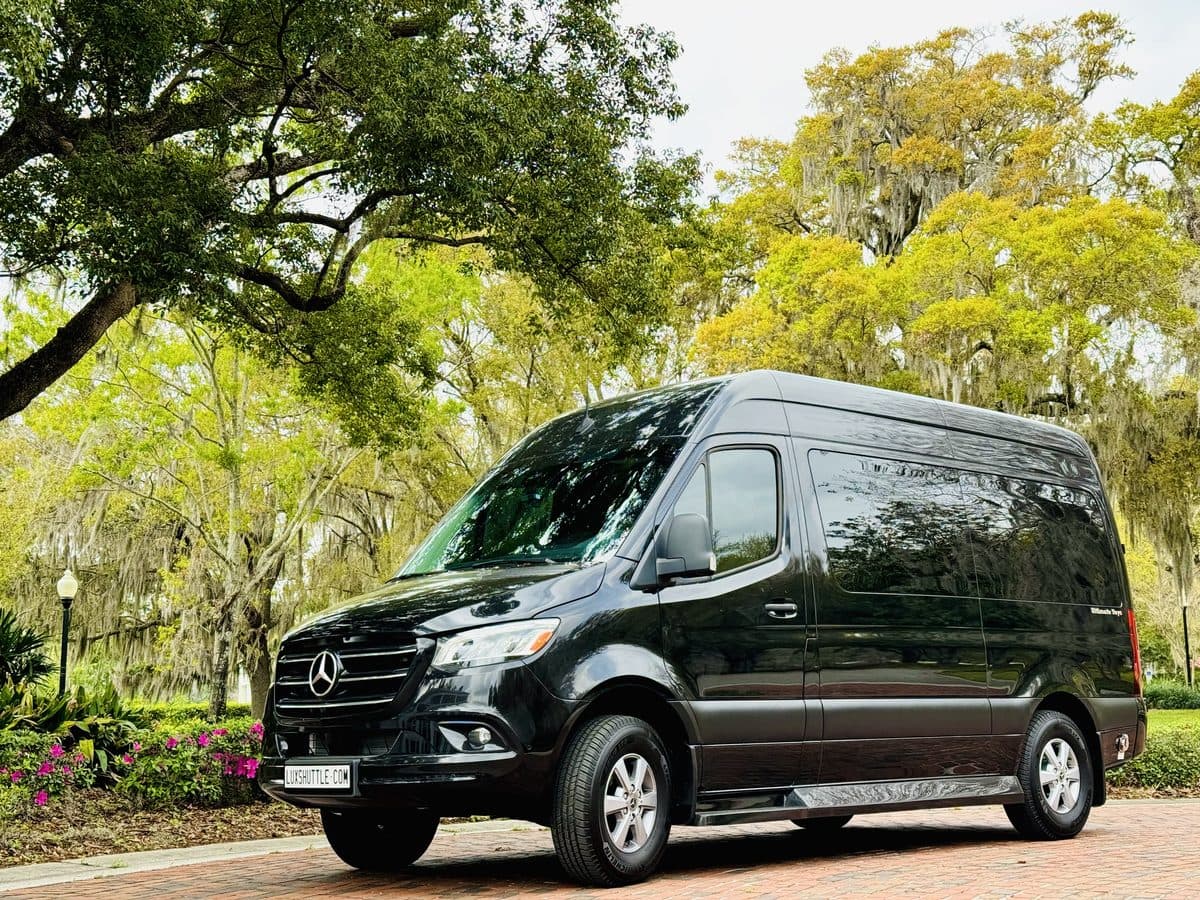
A private Sprinter for the same evening — one vehicle, one professional chauffeur, door-to-door — costs a fixed rate that frequently comes in below that number. No surge. No splitting up. No standing on a sidewalk at 11 PM refreshing an app.
Where the gap widens
- Multi-stop evenings: Every additional destination adds another round of rideshare bookings and surge calculations. A Sprinter's hourly rate covers unlimited stops.
- Airport runs: A team of six flying into Hartsfield needs two SUV rideshares at roughly $40 each during peak hours. One Sprinter handles all six plus luggage for a comparable or lower total.
- Late-night returns: Rideshare surge pricing peaks between midnight and 2 AM — exactly when you need a ride home. A Sprinter's rate does not change at midnight.
The Costs That Do Not Show Up on a Receipt
Price is only part of the equation. The hidden costs of rideshare coordination — the ten minutes spent matching drivers to passengers, the friend who got dropped at the wrong entrance, the client who waited alone on a curb — do not appear on any invoice but they carry a real price in time, safety, and reputation.
For corporate groups, the calculus is even clearer. Three rideshare receipts from three different drivers are an expense report headache. One invoice from one provider is clean, professional, and audit-friendly. The administrative savings alone often justify the booking.
When Rideshares Still Win
To be fair: for one or two people traveling a short distance during off-peak hours, rideshares remain the simpler, cheaper option. Nobody needs a Sprinter to get from Midtown to Inman Park on a Wednesday afternoon. The tipping point arrives at four passengers — and by six or eight, the economics are not even close.
Frequently Asked Questions
At what group size does a Sprinter become more economical?
The crossover typically occurs at four passengers, and the advantage grows with every additional rider. By six to eight passengers — particularly during peak hours or event nights — a Sprinter costs meaningfully less per person than equivalent rideshare trips. Event night groups see the biggest savings.
Are there hidden fees beyond the quoted rate?
No. Your rate is confirmed at booking and includes the vehicle, chauffeur, fuel, and all standard inclusions. There is no surge pricing, no "busy area" surcharge, and no post-trip adjustment. What you are quoted is what you pay.
Can I get an itemized invoice for corporate expense reporting?
Absolutely. Every booking generates a clean, detailed invoice — one line item, one provider, one receipt. Finance teams and executive assistants particularly appreciate this after dealing with a stack of individual rideshare receipts from a conference week.
The math favors you more than you think. Request a quote for your group and see the numbers for yourself.