
The Convenience That Stopped Being Convenient
Uber Black arrived as a revelation. Tap a button, a black car appears. For a few years, it was genuinely the easiest way for a business traveler to move through an unfamiliar city. The technology was elegant. The promise was simple. And for a while, it delivered.
Then the cracks became patterns. The surge pricing during the conference you flew in for. The driver who cancelled ninety seconds before your client dinner. The vehicle that arrived with an air freshener doing heavy lifting and a phone mount blocking half the windshield. The realization that "black car" is a category, not a standard — and that the person behind the wheel is a contractor who drove for Lyft this morning and may drive for someone else tomorrow.
Atlanta's executive travelers did not abandon rideshares because of ideology. They abandoned them because the service stopped matching the stakes.
The Four Failures That Drive the Switch
Surge pricing at the worst possible moment
Rideshare pricing is algorithmic. It rises when demand rises — which is to say, it rises precisely when you need a car most. After a Hawks game at State Farm Arena. During a rainsoaked rush hour on Peachtree. When the conference at the GWCC empties and four thousand executives open the same app simultaneously. The moments when reliable transportation matters most are the moments when app-based services become most expensive and least available.
Stranger rotation
Every Uber Black ride introduces a new variable. A new chauffeur with a new vehicle, a new navigation preference, a new interpretation of "professional." Some are excellent. Some are adequate. None of them know your name, your preferred route, your client's building entrance, or the fact that you need absolute quiet during the morning commute. A private chauffeur service eliminates the rotation entirely. One chauffeur. The same professional every time. Someone who remembers that you take the Lenox Road exit, not Peachtree-Dunwoody, and that your 8 AM calls are not to be interrupted.
Cancellations with consequences
A cancelled rideshare on a Saturday afternoon is an inconvenience. A cancelled rideshare before a client dinner at the St. Regis is a professional failure — and one that was not yours to make. Drivers cancel for reasons entirely outside your control: a better fare appeared, the destination was inconvenient, the traffic looked unfavorable. In a private chauffeur arrangement, cancellation is not a feature of the model. Your vehicle is committed. Your chauffeur is assigned. The car will be at the curb because it was never going anywhere else.
The vehicle lottery
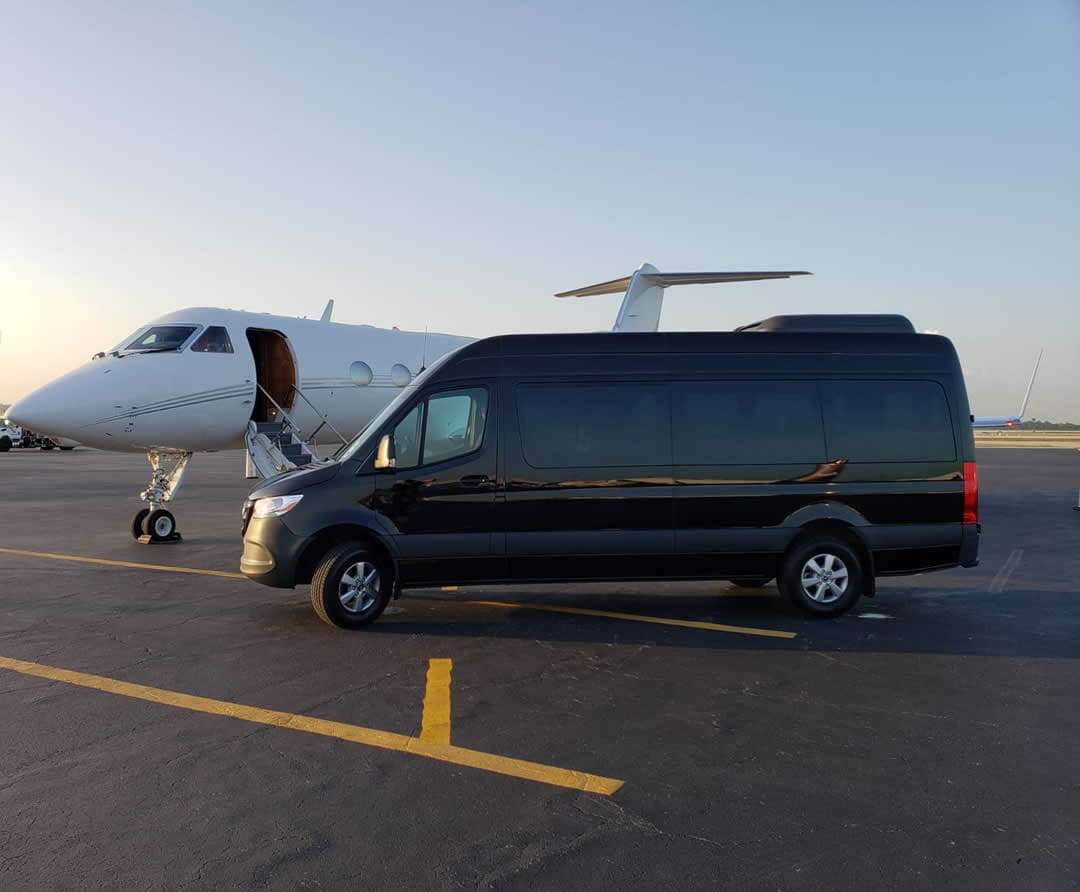
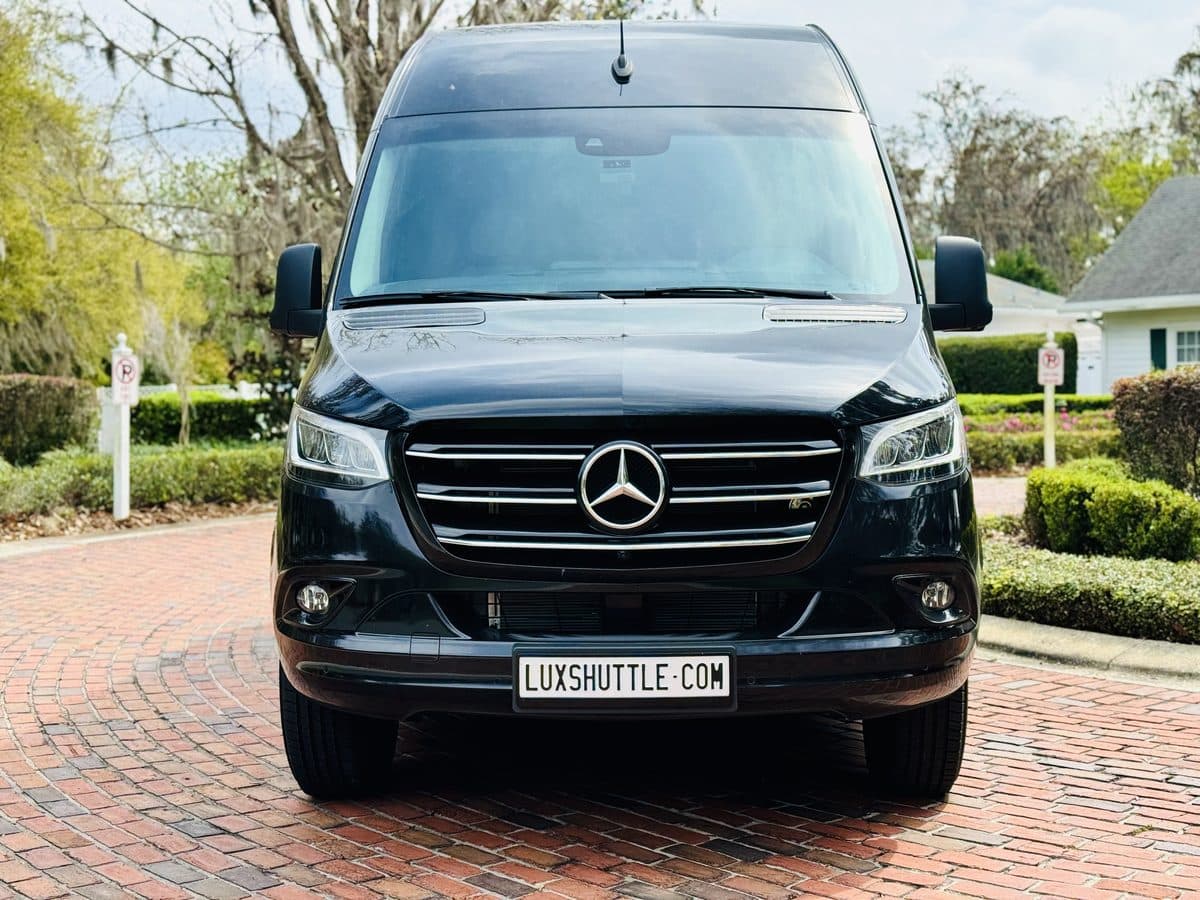
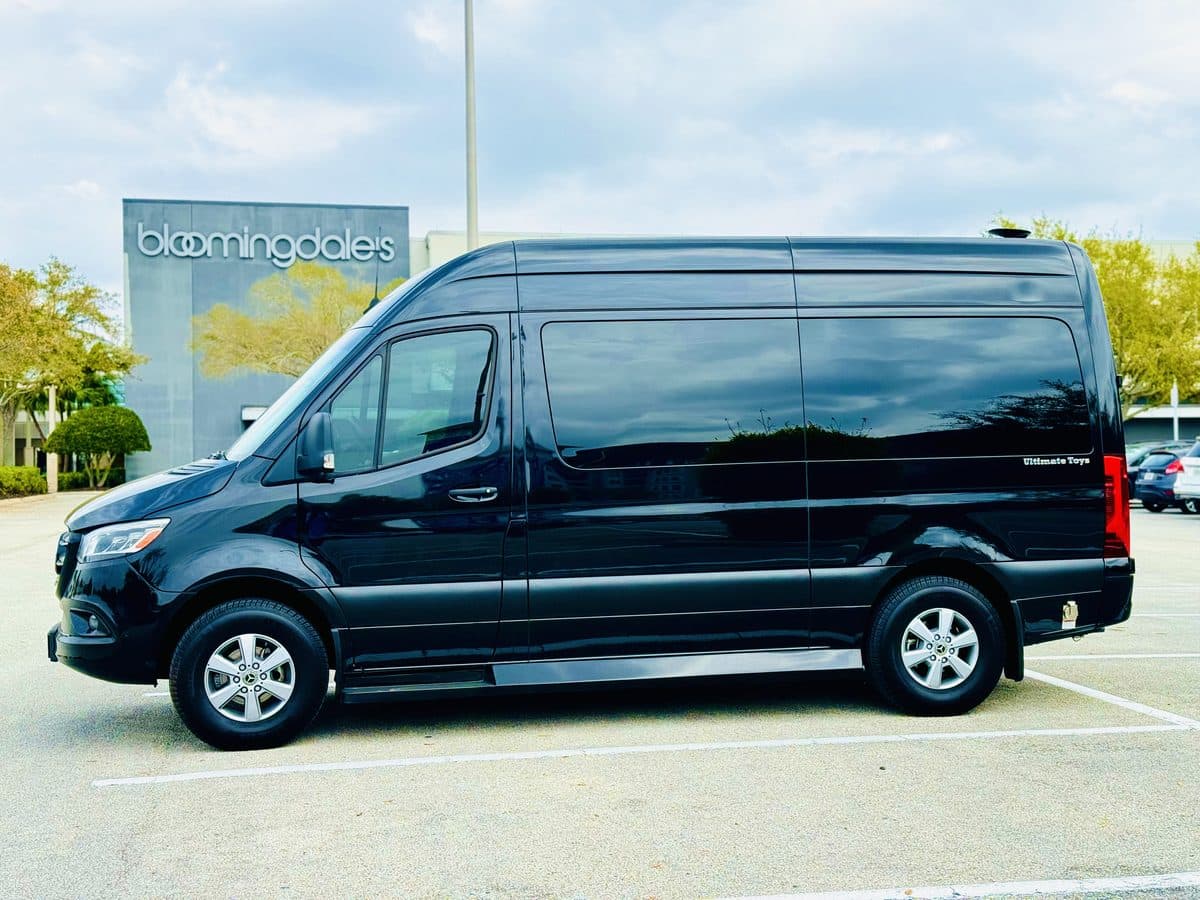
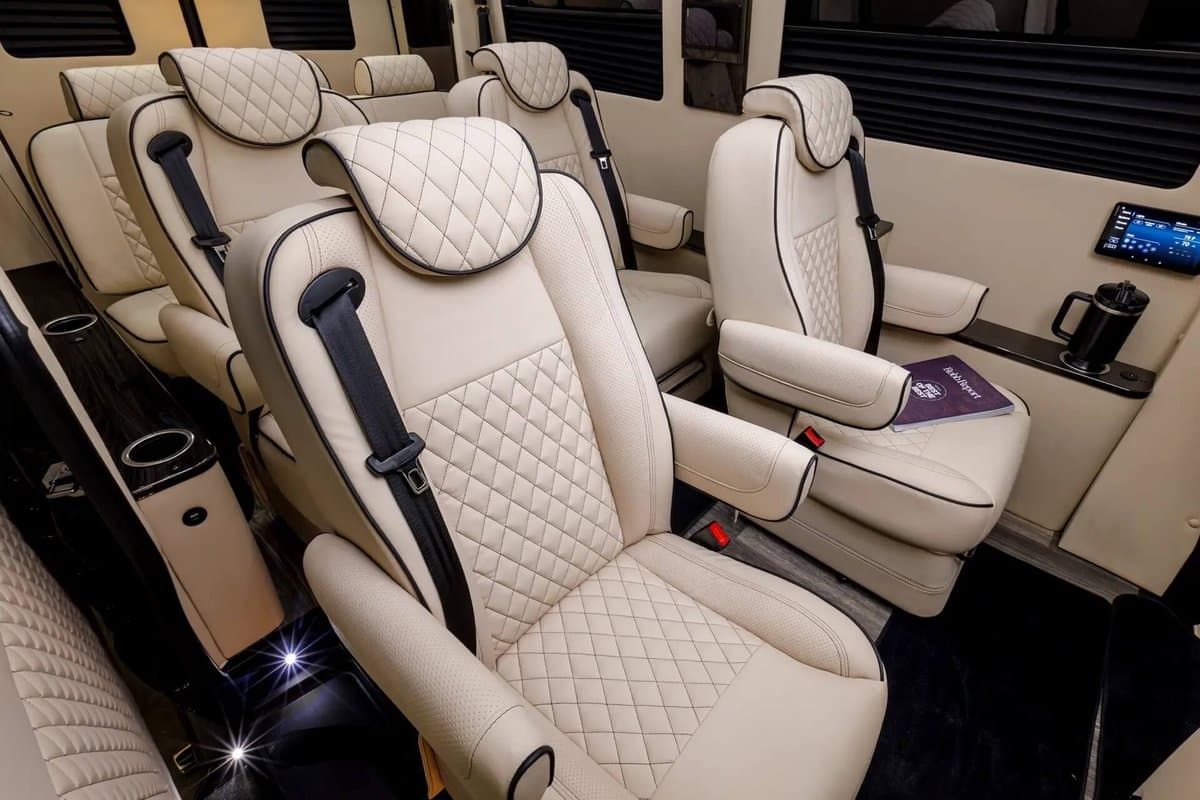
"Black car" on the app could mean a current-year Genesis or a five-year-old Lincoln with ninety thousand miles. You will not know until it arrives. The interior may be leather or leatherette, maintained or merely wiped down. A custom Mercedes-Benz Sprinter with cream quilted leather captain's chairs, a 32-inch 4K Smart TV, and ambient lighting is not a lottery. It is the same vehicle, every time, maintained to a standard that a fleet operation cannot replicate across dozens of cars.
What the Switch Actually Looks Like
Transitioning from app-based transportation to a private chauffeur service is less dramatic than it sounds. Most executives begin with a single use case — airport transfers, typically — and expand from there. The airport pickup demonstrates the difference most viscerally: your chauffeur tracks the flight, stages the vehicle, handles luggage, and has you moving toward Buckhead or Midtown before your colleagues have finished refreshing the rideshare app at the curb.
From there, the service extends to client entertainment, conference logistics, and the daily movements between Atlanta's business districts that consume more executive time than most calendars acknowledge.
The Cost Comparison, Addressed Directly
The assumption that private chauffeur service costs significantly more than Uber Black is persistent and, for groups, often wrong. An Uber Black SUV from Hartsfield-Jackson to Buckhead runs $65–$90 on a good day and $120–$160 during surge. That seats four. A Sprinter from LuxShuttle's airport transfer service starts at $175 and seats eight — in cream quilted leather, with Wi-Fi, refreshments, and a chauffeur who was waiting for you specifically. For a team of four, the per-person cost is comparable. For a team of six or eight, the Sprinter is the more economical choice by a meaningful margin.
Frequently Asked Questions
Is a private chauffeur service practical for daily or weekly use?
Many of LuxShuttle's clients use the service on a recurring basis — weekly airport transfers, regular client entertainment, daily commutes during extended Atlanta engagements. The consistency compounds: your chauffeur learns your schedule, your preferences, and your professional rhythms. Over time, the service functions less like a booking and more like an extension of your own operations.
How far in advance do I need to reserve?
Standard reservations are confirmed with 24 to 48 hours notice. For recurring arrangements or high-demand dates — major conferences, playoff games, holiday weekends — earlier coordination ensures availability. The vehicle is a fleet of one: when the date is booked, it is committed exclusively to your service.
Can I use the service for client entertainment without seeming excessive?
This is perhaps the most common question from executives new to private chauffeur service. The answer is that the vehicle calibrates to the occasion. A Sprinter arriving at a client's hotel communicates preparedness and attention to detail — not extravagance. It is closer to having a private driver on retainer than arriving in a parade float. The cream interior, the quiet cabin, the professional at the wheel — these register as competence, not spectacle.
The app was designed for convenience. Your standards evolved past what convenience alone can deliver. Reserve your Sprinter and experience what happens when the car knows you before you know it.