
The Calculus Has Changed
There was a moment — roughly 2014 — when hailing a rideshare from the airport felt like the future. You landed, tapped a screen, and a car materialized. It was cheaper than a taxi, cleaner than a shuttle, and carried the satisfying novelty of technology solving a problem that had annoyed travelers for decades. That moment has passed.
What replaced it is a system that has become, in many ways, worse than what it disrupted. Surge pricing that triples the fare during peak hours. Pickup zones located in parking structures that require a ten-minute walk with luggage. Drivers who cancel when they realize the destination is not lucrative enough. Vehicles that range from acceptable to genuinely concerning. The promise of convenience has calcified into a different kind of inconvenience — one that is harder to predict and impossible to negotiate.
Seasoned travelers — the ones who fly frequently enough to have optimized every other aspect of the journey — abandoned rideshare pickups quietly and for good reasons.
The Terminal Pickup Problem
At Hartsfield-Jackson, the rideshare pickup zone occupies a specific area of the ground transportation level that feels designed to test patience. The walk from baggage claim is not short. The wait, depending on the hour, can stretch past fifteen minutes. The vehicle that arrives may not match the photograph in the app. And the driver, unfamiliar with your hotel's entrance or the construction detour on Spring Street, begins the ride by asking you for directions.
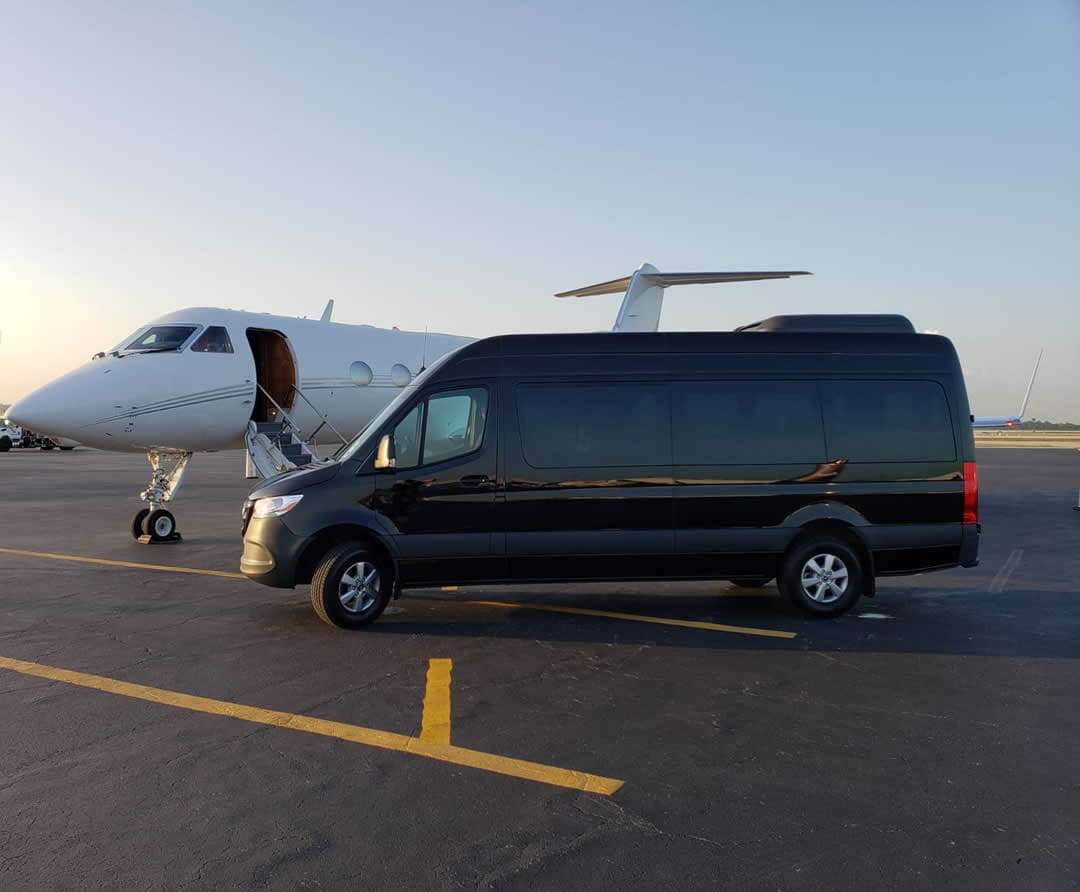
Compare this to a pre-arranged private transfer: the chauffeur monitors your flight, positions the vehicle before you land, meets you at baggage claim or curbside, handles your luggage, and departs via a route they have driven hundreds of times. The difference is not merely comfort. It is the elimination of every small uncertainty that makes airport arrivals tedious.
The Privacy Equation
Rideshare vehicles are, by design, shared spaces — occupied moments earlier by a stranger, and moments later by another. The driver's personal effects are on the dashboard. A previous passenger's water bottle is in the seat pocket. The music playing is the driver's choice. None of this is offensive, but it is public in a way that grates after a long journey when what you want is a few minutes of genuine privacy.
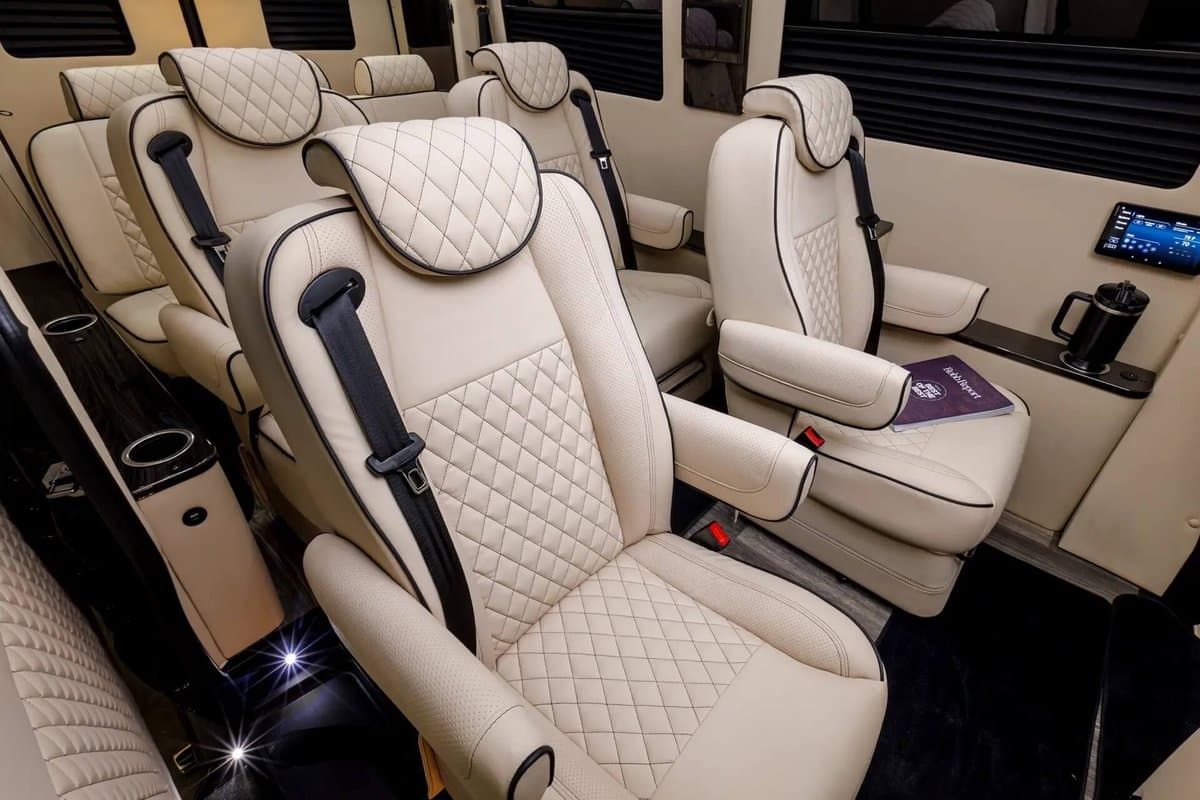
A private vehicle is exactly that: private. The cabin is yours. The temperature is set for you. The silence, if you want it, is complete. It is the difference between a hotel room and a hostel bunk — both provide shelter, but only one provides sanctuary.
The True Cost Comparison
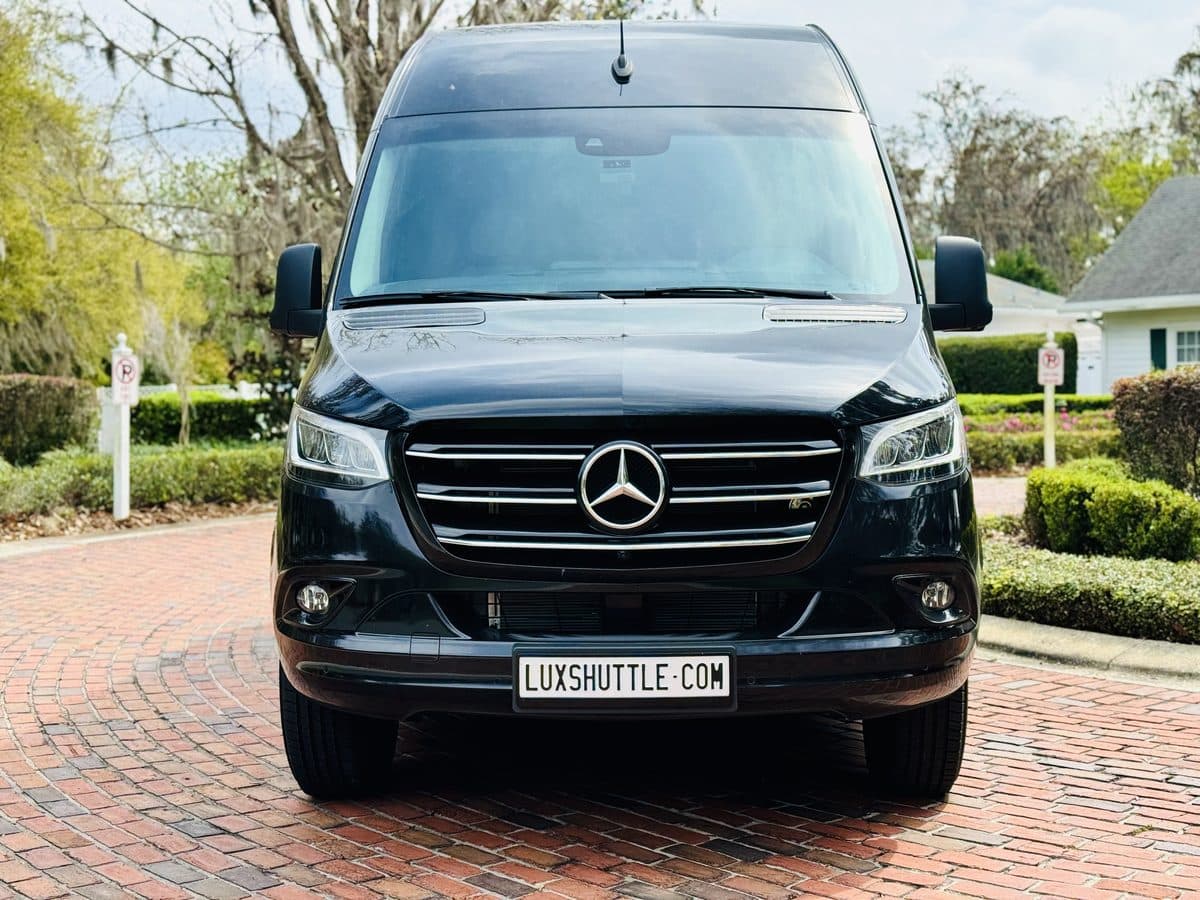
The perception that rideshare is cheaper does not survive scrutiny at the airport. A standard rideshare from ATL to Buckhead during peak evening hours — accounting for surge pricing, tolls, and the service fees that appear after the quoted fare — frequently approaches the cost of a private car service. For groups of three or more, the economics invert entirely: a single Sprinter is less per person than individual rideshare fares, with the added benefit of arriving together rather than in a scattered convoy.
What Frequent Travelers Actually Value
Ask someone who flies two hundred thousand miles a year what they want from ground transportation, and the answer is rarely about luxury. It is about predictability. They want to know that the car will be there. They want to know the chauffeur's name. They want to know that the route has been considered and the arrival time is reliable. They want to stop thinking about logistics and start thinking about whatever comes next.
This is what a professional chauffeur service delivers that no rideshare platform can: the certainty that comes from a relationship rather than a transaction.
Frequently Asked Questions
Is a private transfer significantly more expensive than a rideshare?
During off-peak hours, a private transfer runs moderately higher than a base rideshare fare. During peak hours, holidays, or inclement weather — precisely when you most need reliable transportation — private transfer pricing remains fixed while rideshare costs spike unpredictably. For business travelers, the consistency alone justifies the investment.
What about the convenience of booking through an app?
LuxShuttle bookings are confirmed by text and email with the chauffeur's name, vehicle details, and direct contact number — all before you board your flight. The information is more detailed and more reliable than a rideshare app notification, and the chauffeur is reachable by phone rather than through an in-app chat that the driver may not check.
Can I book a private transfer for a late-night or early-morning flight?
Yes, without surge pricing. Whether your flight lands at midnight or departs at five in the morning, the rate is the same. Your chauffeur arrives alert, prepared, and operating on a schedule designed around your flight — not around a platform's driver availability algorithm.
The rideshare revolution solved real problems. But for travelers who have refined their journey to eliminate friction at every other stage — the lounge, the seat, the hotel — the airport pickup remains the last link to upgrade. The seasoned traveler did the math, experienced the difference, and quietly stopped tapping the app.