
The Work You Are Not Meant to See
The hallmark of any exceptional service — a Michelin-starred kitchen, a bespoke tailor, a world-class hotel — is the vast machinery of preparation that operates entirely out of view. The guest experiences only the result: the plate that arrives at precisely the right temperature, the jacket that fits as though it grew there, the room that anticipates needs you had not yet articulated. The labor that produced these moments is invisible by design.
A private chauffeur service operates on the same principle. The seamless pickup, the immaculate cabin, the route that unfolds without hesitation — these are the visible outputs of a process that begins hours, sometimes days, before the vehicle pulls to the curb.
The Morning Ritual
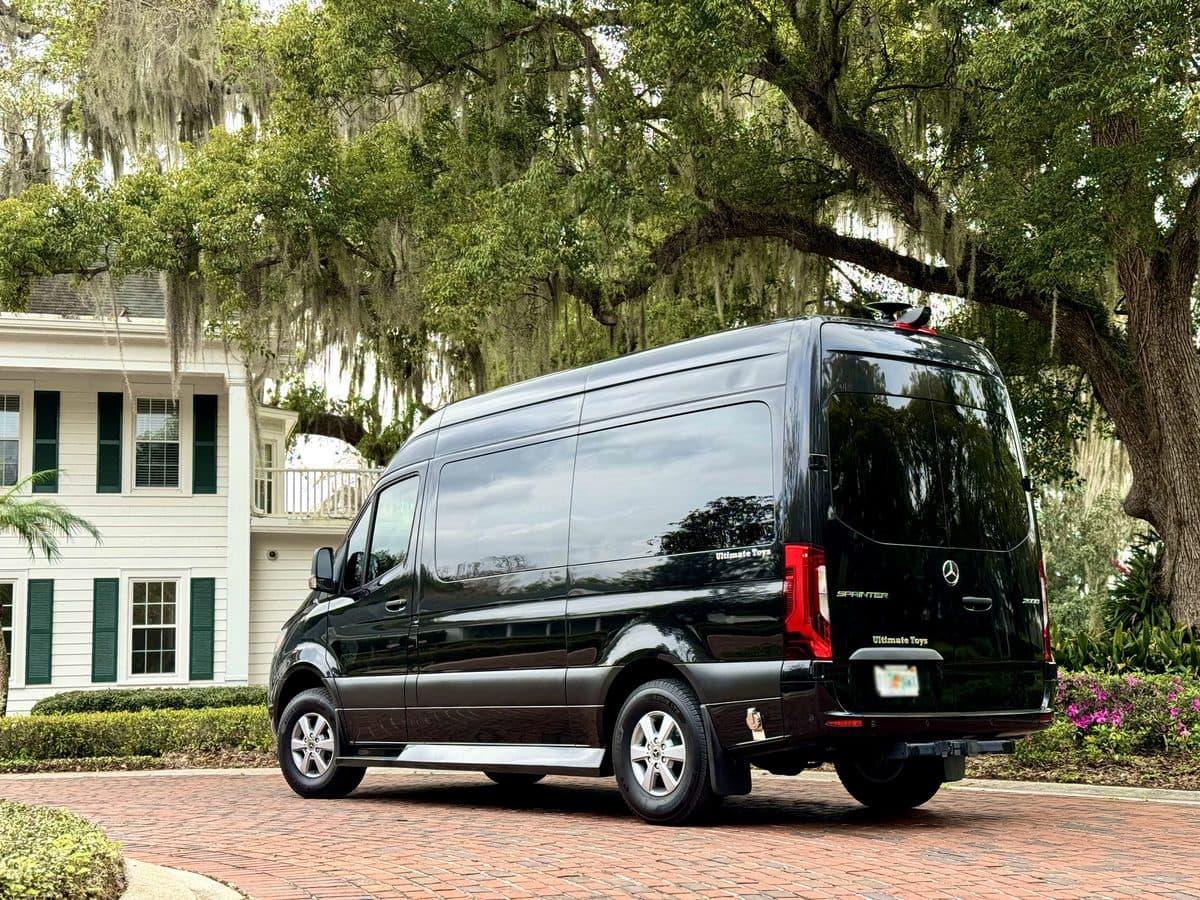
Before the first booking of the day, the vehicle undergoes what might charitably be called an inspection but more accurately resembles a ceremony. The exterior is hand-washed if conditions require it — and in Atlanta, where pollen descends like a biblical plague from March through May, conditions almost always require it. The interior is vacuumed, the leather wiped with a conditioner that protects without leaving residue, the glass polished until it becomes invisible.
The cabin is then prepared for the specific booking. Water bottles are chilled. Charging cables are tested across multiple phone types. The temperature is noted and will be pre-set fifteen minutes before pickup. If the client has preferences on file — a particular music genre, a favored route, a preference for silence — these are reviewed and incorporated into the drive plan.
Route Intelligence
A chauffeur who relies solely on GPS is like a chef who cooks exclusively from recipes — competent but never inspired. The real route planning happens through accumulated knowledge: which section of Peachtree is under construction this month, which hotel has moved its pickup zone for renovation, which back road through Midtown saves eight minutes during the evening rush without sacrificing ride quality.
This intelligence is updated daily, sometimes hourly. A professional chauffeur monitors traffic conditions throughout the day, adjusting planned routes for afternoon bookings based on what the morning revealed. Airport transfers, in particular, demand this adaptive approach — the I-85 corridor that flows freely at ten in the morning can be impassable by four.
The Art of Anticipation
The most valued skill in private chauffeur work is not driving. It is reading people. The executive who boards the vehicle with a phone already at their ear does not want a greeting — they want the door closed and the vehicle moving. The couple arriving for a wedding wants warmth, perhaps a congratulatory word, certainly a smooth ride that does not disturb the bride's hair. The family with children needs patience, a moment to get everyone settled, and a pace that does not unsettle small stomachs.
None of this is scripted. It cannot be taught in a training manual. It is the product of temperament, experience, and a genuine orientation toward hospitality — the kind of person who notices what others need before they ask for it.
Between Bookings
The gaps between clients are not downtime. They are preparation windows. The vehicle is refreshed — new water, a quick interior check, a review of the next booking's details. The chauffeur changes gloves if they have handled luggage. They review the route, check for traffic developments, and position the vehicle to arrive early at the next pickup.
This rhythm — prepare, perform, refresh, prepare again — is the cadence of professional chauffeur work. It is physically demanding and mentally precise, and it produces the quality of experience that clients describe as "effortless." The effortlessness, of course, is the most effortful part.
Frequently Asked Questions
How does a chauffeur prepare for a client they have never met?
Through the booking details, which at LuxShuttle include not just the logistics but context: the purpose of the trip, any noted preferences, the number of passengers, and any special requirements. A pre-trip text or call confirms details and gives the client an opportunity to share anything additional. By the time the vehicle arrives, the chauffeur has a clear picture of who they are serving.
What maintenance schedule does the fleet follow?
Each vehicle follows a manufacturer-recommended maintenance schedule supplemented by daily inspections and weekly deep cleans. Tires, brakes, and suspension components are monitored proactively — the goal is to prevent issues rather than react to them. No vehicle operates with any known mechanical concern, however minor.
How do you ensure consistency across different bookings?
Through a combination of documented standards, client preference records, and the continuity of working with a small team of chauffeurs who share the same philosophy of service. Every booking is held to the same checklist, but the execution is personalized based on the client's history and the occasion. Consistency is the framework; personalization is the art within it.
Behind every effortless arrival is a discipline that most passengers will never see — and that is precisely the point. The curtain exists so that the performance feels like magic rather than mechanics.